


 Villa design & features backed by deep market research of customer demands to maximize ROI
- End-to-end service: from land sourcing to villa construction to full-service property management
- Built for performance – villas engineered for longevity & durability
- Leasehold terms up to 80 years
- Step-by-step investor guidance from your personal Azura advisor — from inquiry to key handover
- Founded by Ayham, a civil engineer with 20+ years delivering structurally sound, high-spec developments
 Villa design & features backed by deep market research of customer demands to maximize ROI





 View Villa Types & Prices


Benchmarks are indicative for Tabanan, Bali.


Bali Property Investment: The Legal Position for Foreign Buyers
Every Bali property investment begins with the same question: can a foreigner legally own a villa here? The short answer is yes, through three routes written into Indonesian law. But the detail matters. So we set it out in full below, with no gloss and no sales talk.
Take five minutes on this before you request the brochure. Because once you understand how ownership works, every other part of a Bali property investment gets simpler. Nothing here is legal advice, but it is the honest map. The villa, the numbers and the timing all rest on this legal base.
Can a Foreigner Actually Buy Property in Bali?
Yes, but not the way you would buy at home. Indonesian law reserves freehold title, called Hak Milik, for Indonesian citizens only. No foreigner can hold it, whatever a listing may imply. That one fact sits underneath every honest Bali property investment, so we start there. Knowing it early saves you weeks of confusion later.
However, the same law gives you three protected ways to hold a villa. Each appears in Indonesian statute, and thousands of foreign buyers already use them, from Canggu to Uluwatu. In other words, buying here is legal, normal and well trodden. Which route fits you depends on your residency and on what the villa will do for you.
Leasehold, Right to Use, or a Company: Your Three Routes
The most common route is leasehold, known as Hak Sewa (a right to lease). It is a private contract with the landowner, typically 25 to 30 years, with extensions agreed up front. Leasehold needs no residence permit, which is why most foreign buyers use it. So when a project quotes a title of up to 80 years, read it as an initial term plus extensions fixed in your contract. That is what the number means here too.
The second route is Hak Pakai (Right to Use), a title you hold in your own name. It gives you 30 years, extends by 20, then renews by 30. But it needs a valid Indonesian residence permit, a KITAS or KITAP. The third route is a PT PMA (a foreign-owned Indonesian company). Our full guide to how foreign ownership works works through all three in detail. Your company then holds Hak Guna Bangunan (Right to Build) on the same 30, 20, 30 pattern. For example, buyers who plan to rent the villa out as a business usually choose this one.
The Nominee Shortcut Is Not One of Them
You will also hear about a fourth option: putting the title in an Indonesian person's name. Do not take it. Indonesian courts have voided these nominee deals, and the foreign buyer has no legal protection at all. On paper, the nominee owns your villa. In practice, they can keep it. The saving is never worth the risk.
A sound Bali property investment never rests on someone else's name. So every structure offered at Azura Living is one the law recognises and a court will uphold. That said, take independent legal advice before you sign anything. Good lawyers in Bali quote fixed fees, and a review takes days, not months. A serious seller will encourage it, and we do.
How a Notary Protects Your Bali Property Investment
Every purchase in Indonesia completes in front of a notaris/PPAT (a licensed land deed official). The notary checks the title, the seller and the permits before any money moves. It also goes on the public record, so your rights outlive a handshake. Therefore you never rely on a seller's word alone. That check protects you better than any brochure ever could.

What a Bali Property Investment Buys You
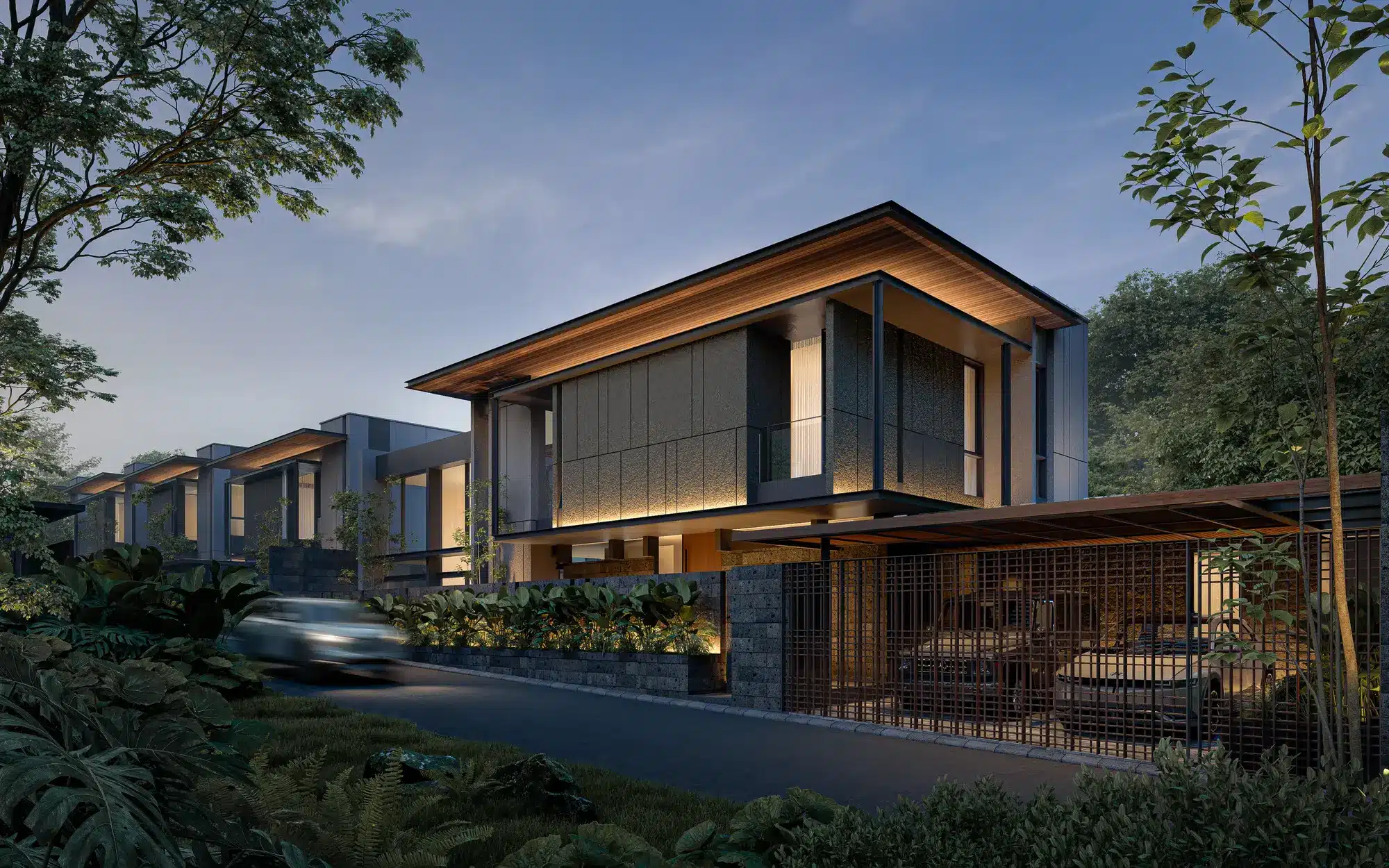
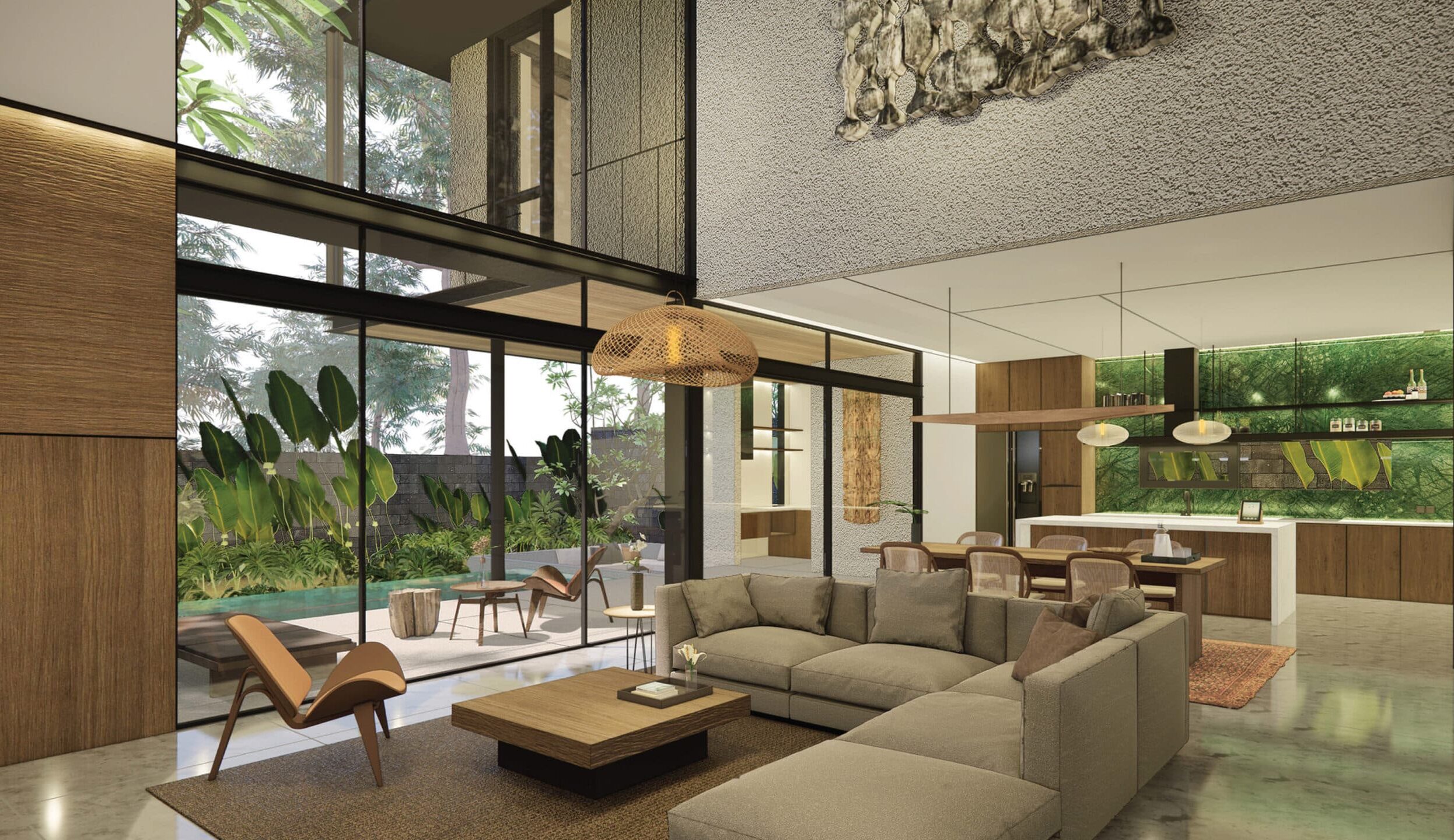
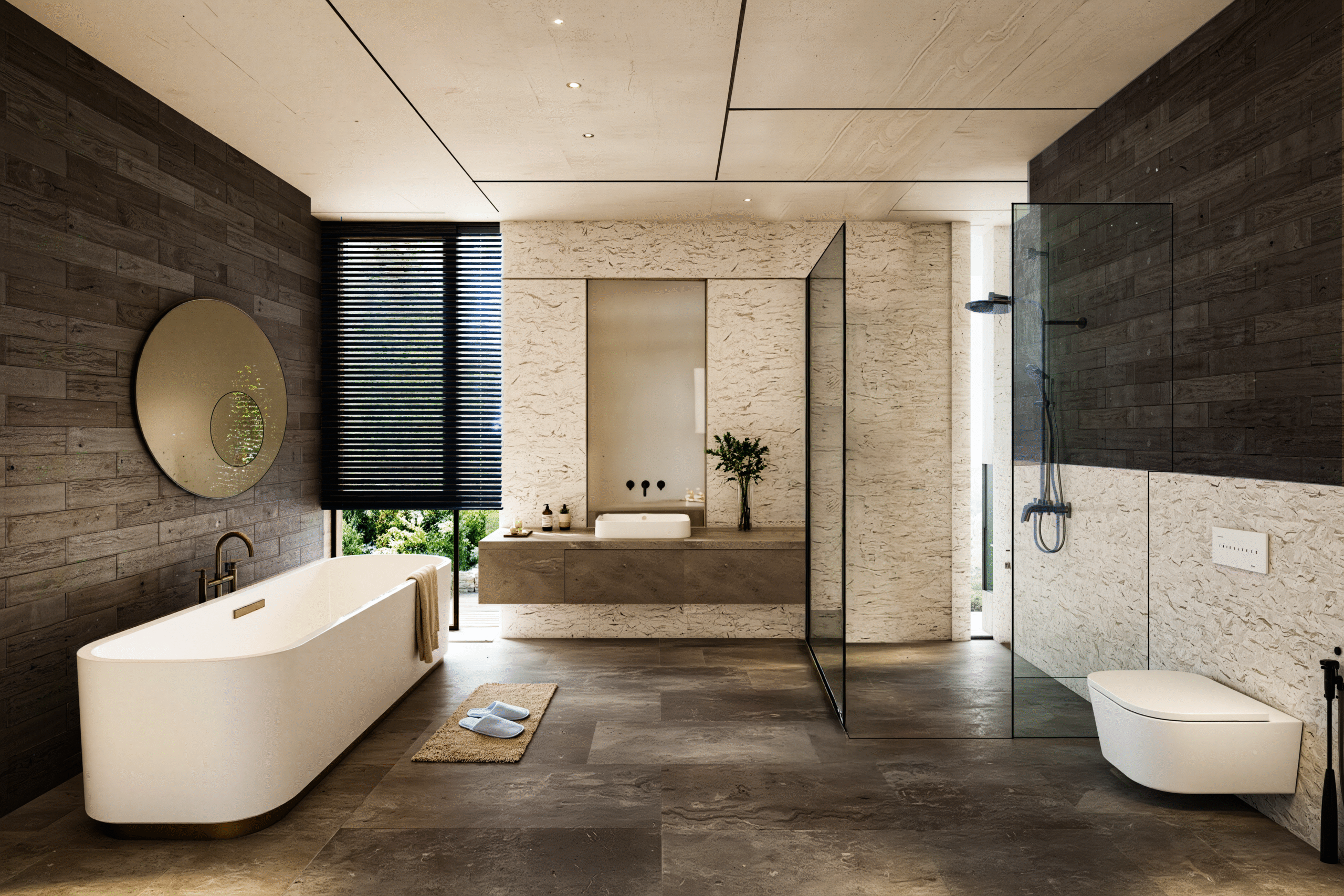
A Bali property investment here buys a whole home, rather than a promise on paper. Each villa gives you 318 square metres of living space, while the land beneath runs to 400 square metres or more. Inside sit four bedrooms and four and a half bathrooms.
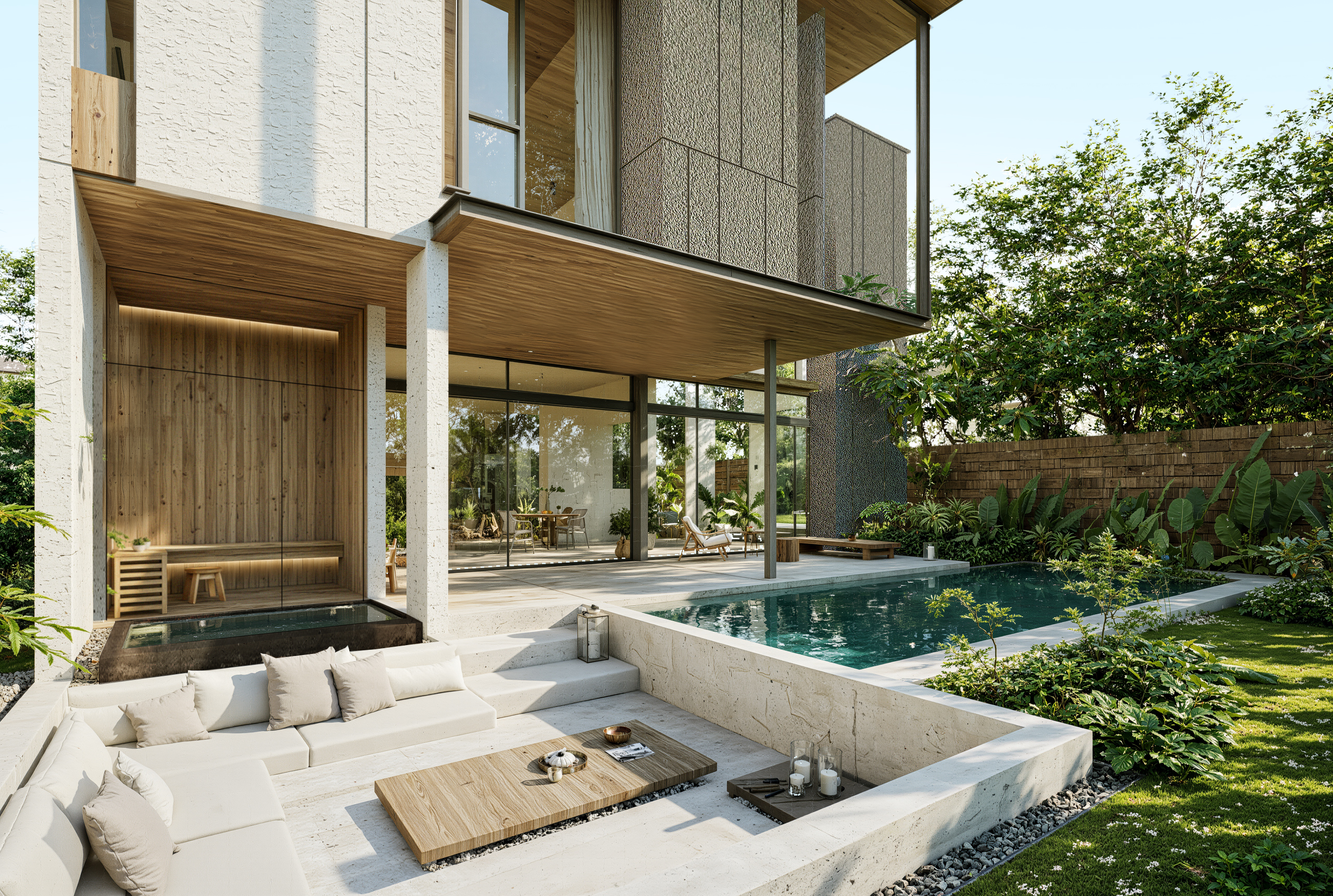
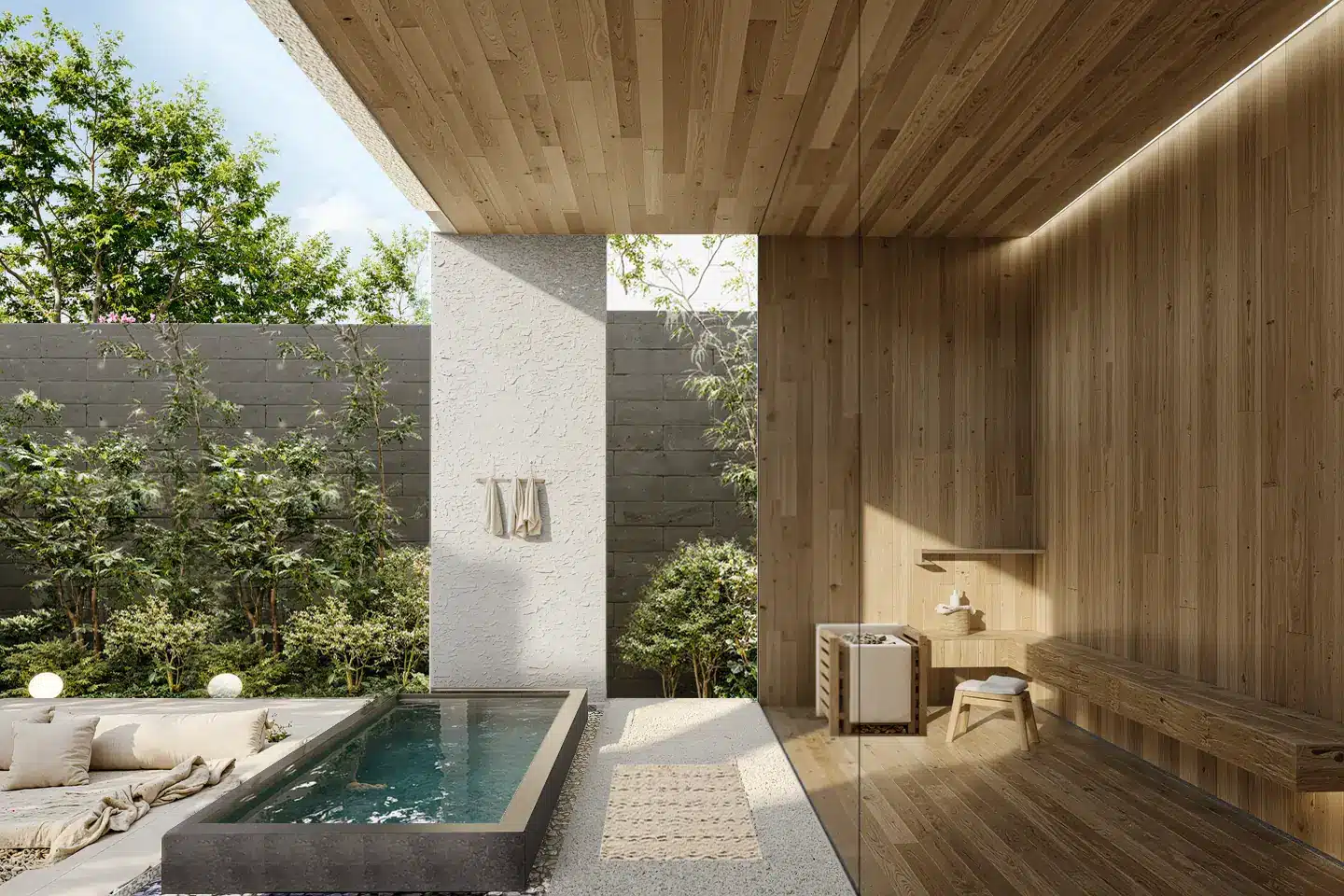
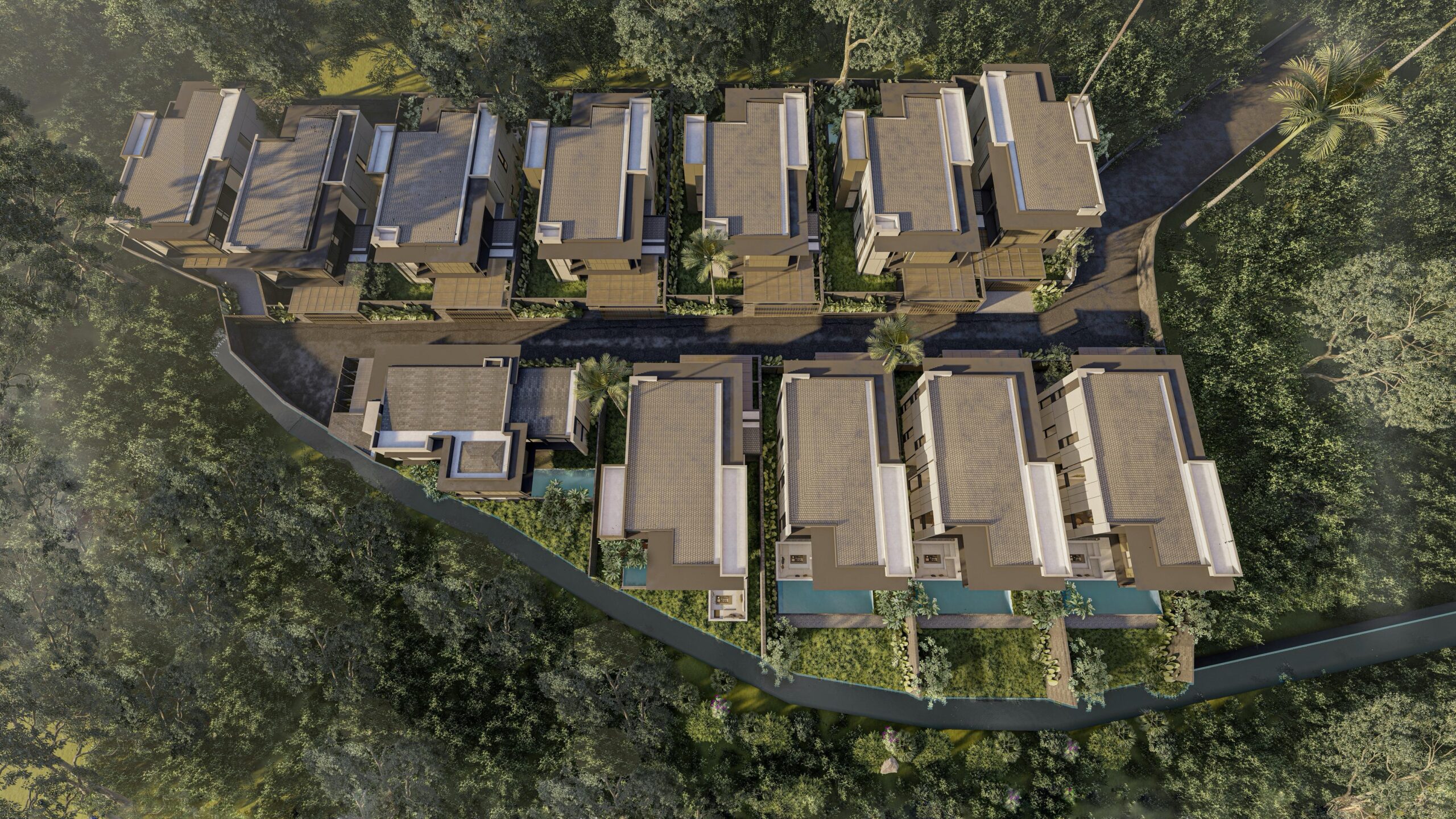
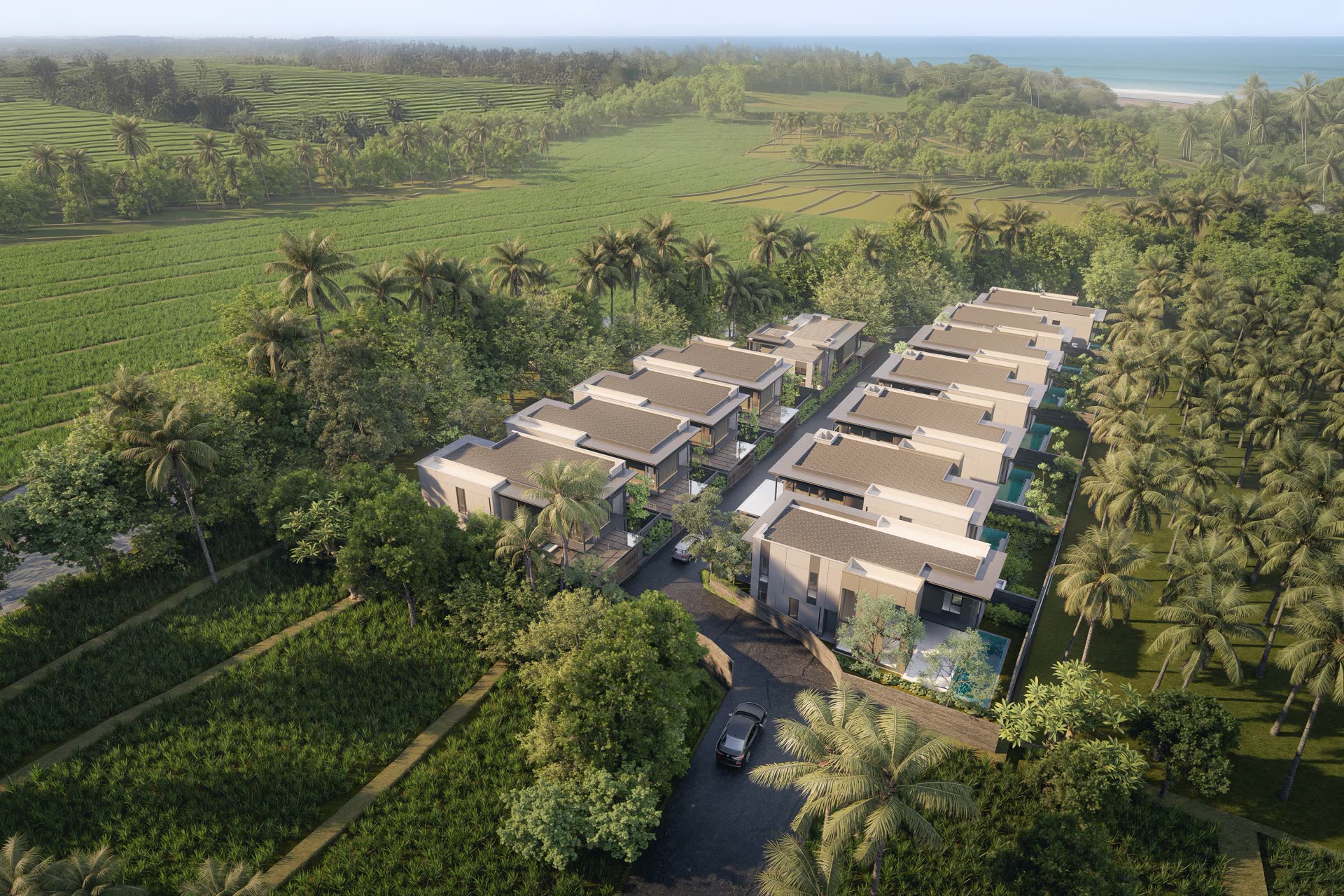
Outside, you also get a 32 square metre pool, a sauna and a cold plunge. Every villa comes fully furnished, so you can host guests from day one. Only twelve villas share the site, though just ten of them remain. Prices start at USD 460,000, while handover comes in the first quarter of 2028.
A Fully Managed Bali Property
Once the keys change hands, a professional team runs the villa for you. The team handles bookings, cleaning and repairs, while guards watch the site day and night. Each month, you also receive a clear statement of income and costs. In short, you own the asset and someone else does the daily work.
Why Tabanan Beats Canggu for Bali Property Buyers
Canggu and Seminyak grew first, so their land prices climbed years ago. Tabanan, however, still costs far less per square metre of land. Because plots cost less, your money buys more house and more garden. In Canggu, for example, the same budget buys a smaller villa beside a busier lane.
The district also keeps what the resort towns traded away. Surf beaches run along its coast, while rice terraces climb the slopes behind. Even so, Canggu sits under an hour away for restaurants and the airport road. Likewise, the quiet that first drew people to Bali still lives here.
Tabanan is still early, which means you buy before the crowd arrives. That timing, in fact, drives this Bali property investment case. Early rarely feels comfortable, but early is where the value tends to sit.
Daily Life Around a Bali Property Investment
A week in Tabanan starts slowly, because the west side of Bali keeps its own pace. Surfers head out early, while the black-sand beaches at Kedungu and Balian sit almost empty on a weekday. Then breakfast means a warung table, with fried rice and strong coffee for a dollar or two. Nobody performs for tourists here; in fact, most mornings you hear more roosters than scooters.
Midweek, many residents drive up to the Jatiluwih rice terraces, since the fields sit about forty minutes inland. The walking paths there stay quiet, though the terraces themselves hold full UNESCO status. Back in Tabanan town, small cafés serve flat whites and smoothie bowls, so nobody misses Canggu much. For example, one good bakery and two relaxed beach bars sit within ten minutes of the site.
Canggu stays under an hour away, which means your Bali property investment keeps city comforts close. Meanwhile, Ngurah Rai airport sits about ninety minutes south, past rice fields for most of the drive. Families have options too, because three international schools operate within roughly forty minutes. Rain falls hardest between November and March; even so, most wet-season days clear by lunchtime.
How the Staged Payments Protect You
You never pay everything at once, because the price splits into six stages. First, 5 per cent reserves your villa. Then 25 per cent follows when building starts on your plot. After that, 30 per cent falls due once the structure stands.
The last three stages, meanwhile, run 20, 10 and 10 per cent through fit-out, furnishing and handover. So your money always follows the build, never the other way round. If a stage stalls, then your next payment waits with it. This staging makes a Bali property investment easier to control, since cash only moves against visible progress.
Ultimate Horizons Property, the seller of record, collects each stage only after the work exists. You owe nothing further until the builders reach the next milestone. So the schedule, not the sales calendar, decides when money moves.
The People Behind This Bali Property Investment
First, meet Ayham Muhrez, the civil engineer who leads the build on the ground. He spent more than twenty years running construction projects before he moved into Bali villas. That background shapes the daily decisions on site, rather than the marketing calendar. In practice, he walks the site most days and signs off the structural work himself, stage by stage.
A marketing-led project starts with glossy renders, then works backwards towards a budget. An engineer-led build runs the other way, because drawings, drainage and structure come first. By contrast, the pretty pictures arrive last here, after the numbers already work. That order sounds dull; however, dull is exactly what you want in concrete.
Ultimate Horizons Property acts as the seller of record, so its name sits on your paperwork. You therefore deal with one named company throughout, not a shifting chain of agents. Moreover, you can question that company directly about the land, the licences and the schedule. In short, the people selling the villas answer for the villas.
What You Can Check for Yourself
Buyers who visit Bali can walk the site at any stage, although a day’s notice helps the team. You then see the actual plots, the access road and the neighbouring land. Overseas buyers get the same view, since a live video call from the site replaces the walk. To be clear, nothing about the ground conditions or the boundaries stays off limits.
Additionally, the team emails dated progress photographs to every buyer at the end of each month. Each set repeats the same fixed camera angles, which means you can compare month against month. Milestone sign-off also comes before each stage of the build formally closes. Consequently, a Bali property investment here never rests on brochure promises alone.
Finally, you or your representative inspect the finished villa room by room. Snagging items land on a single list; accordingly, the team must clear every line. You keep copies of every report, of course, from the earliest pour to the final paint. Hence the file you hand to your lawyer tells the whole story.
Reading the ROI Calculator on a Bali Investment
The calculator on this page uses two Tabanan benchmarks: 70 per cent occupancy and 7 per cent yearly capital growth. However, those figures describe the area, not any single Bali property investment. Treat them as a starting point rather than a forecast.
In practice, four things move your result. Nightly rate and occupancy shift with management quality, while capital growth follows the wider market. So run the numbers again with lower inputs before you go further. For example, drop occupancy to 60 per cent and watch how the answer changes.
Benchmarks, Not Promises, for Bali Property Returns
The 6 to 12 year payback range is an estimate, because real results depend on those inputs. A sound Bali property investment, though, survives cautious maths. If the case only works when everything goes right, then it is not a case.
The Real Risks of a Bali Property Investment
Every Bali property investment carries risk, so we name ours plainly. First, the villa does not exist yet, and off-plan buying always carries completion risk. The staged payments limit that exposure, although they cannot remove it.
Second, currency movements matter, because you pay in US dollars and may earn elsewhere. Third, rental income rests on management quality, and even good managers face quiet seasons. Resale also takes time here, since villa buyers move slower than city flat buyers. Plan for that instead of hoping around it.
Finally, Indonesian rules for foreign buyers can change over time. No seller controls that, of course, and we will not pretend otherwise. A risk named out loud, however, is a risk you can price.
Who This Suits, and Who It Does Not
This suits you if you want a managed asset while you live elsewhere. It also fits buyers who can wait, since handover arrives in early 2028. Patience, in fact, is the main entry requirement. A Bali property investment of this kind, above all, rewards owners who think in years.
It does not suit you if you need quick access to your money, because resale takes time. Nor does it fit anyone who wants guaranteed returns, since no honest seller offers those. To be clear, we would rather lose a sale than overstate the case.
One question sits behind all of this: how you will legally own the villa. We answer that above, while our longer ownership guide goes further still. Then the brochure covers the plans, the prices and the dates.
What Happens After You Request the Brochure
First, tap Download Brochure and WhatsApp opens with a ready-written message asking for the brochure. In fact, a real person sends it back in the same chat, usually within a day. Nobody pushes for a call; instead, the one you book follows your questions rather than a sales script. Second, you decide in your own time whether the numbers deserve a closer look.
Third, you see the site for yourself, either in person or through a live video walk-through. Plenty of buyers never fly out at all; likewise, the video version shows every corner of the land. After that, your own lawyer reviews every document at whatever pace suits you. We encourage that review; indeed, independent eyes protect both sides of the deal.
Above all, nobody treats a Bali property investment as an impulse purchase. Nobody chases you between the steps, and nobody asks for a deposit before you reserve. If the answer is no, that costs you nothing but a phone call. Ten of the twelve villas remain; even so, the pace stays measured instead of rushed.
Request the brochure below, then decide with the full plans in hand.
This page explains how foreign ownership works in Indonesia in general terms. It is not legal advice. Take independent advice from an Indonesian lawyer and a notaris/PPAT before you sign or transfer any money.